
Buyers looking at modular homes for sale in Denver can get more from the market by deciding what matters before comparing individual models. Construction type, floor plan, site, financing, and total project cost should be understood together. A home that looks like a bargain can become a poor fit if the site or loan structure does not support it.
People also comparing modern prefab homes in Denver can use our Denver home information to see the range of factory-built options, but prefab should not be treated as a single technical category. Modular homes and HUD-code manufactured homes follow different rules, so the first step is knowing which kind of home is actually under consideration.
Start by Separating Modular From Manufactured Options
The Colorado Division of Housing explains that modular homes are built to Colorado’s adopted code framework and installed on permanent foundation systems, while manufactured homes are regulated under the federal HUD Code. That difference can affect approvals, foundation planning, installation, and financing.
Buyers should confirm the classification before using terms such as mobile, manufactured, modular, and prefab interchangeably. A clear label makes it easier to ask the right questions about the site, lender requirements, local permits, and resale considerations. It also helps buyers compare dealer services more fairly. One seller may quote only the home, while another may coordinate more of the financing, site, foundation, delivery, or installation process. The scope of the quote should be clear before the numbers are compared.
Compare Floor Plans Before Comparing Dealers
Price matters, but a floor plan that does not fit the household is not a good value. Buyers should compare bedroom separation, storage, kitchen layout, utility space, natural light, circulation, and room dimensions. It is often more useful to shortlist three plans that work well than to browse dozens of attractive homes without a decision framework. A shortlist also makes dealer comparisons more meaningful because buyers can ask for pricing and project details on similar homes instead of comparing unrelated models with different sizes and standard features.
For buyers also looking at mobile homes for sale in Denver, the same principle applies. Smaller manufactured homes may provide a lower base price, while larger modular or multi-section homes may provide more space. The goal is to find the smallest and simplest option that still handles the household’s real needs.
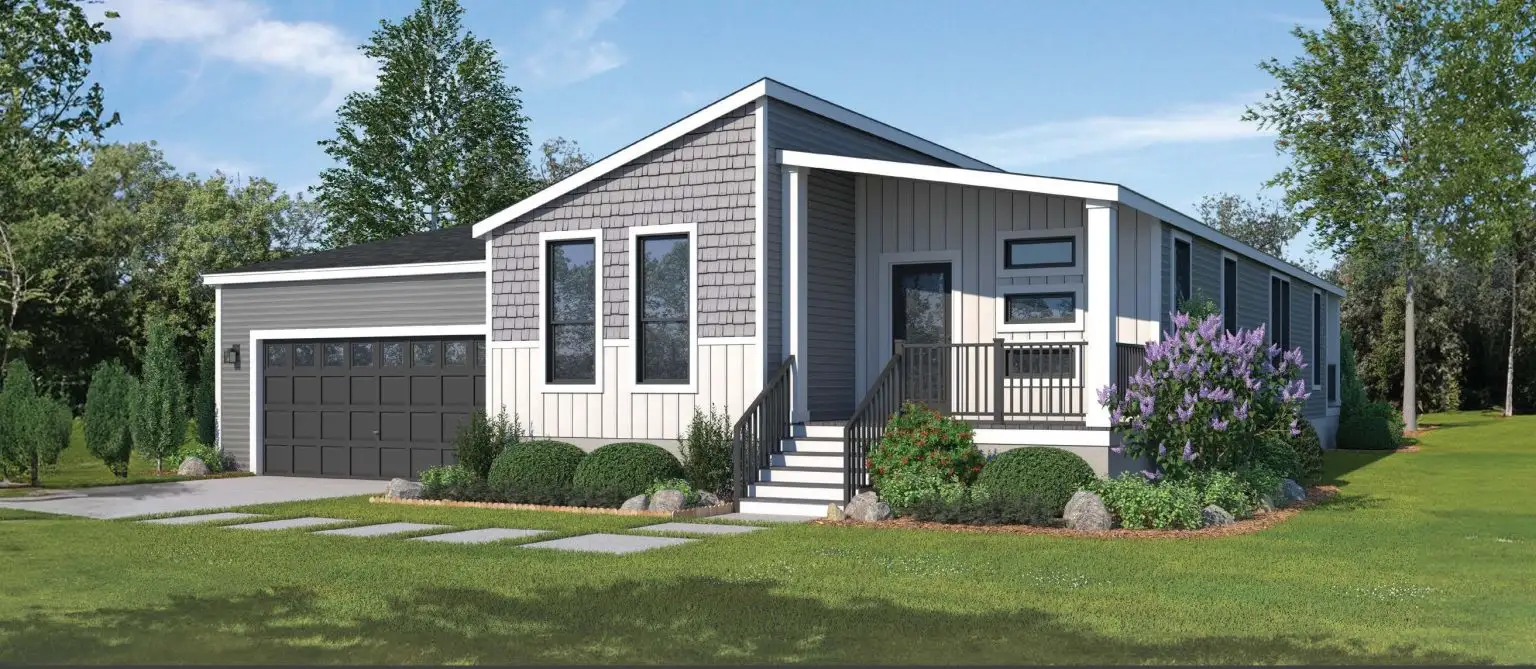
Decide Where the Home Will Go Early
The HUD manufactured-home homeowner resources emphasize site access, soil, drainage, foundations, utility connections, and local permits for manufactured-home installation. Modular projects follow a different code path, but site feasibility is just as important. Buyers should confirm the lot and local requirements before committing to a floor plan.
A park or community can offer an established place for a manufactured home, while private land may give the buyer a different ownership arrangement and more responsibility for site development. Denver-area buyers should compare availability, location, recurring charges, zoning, and commute needs rather than assume one placement type is always cheaper. Private-land shoppers should verify access, utilities, setbacks, foundation requirements, and delivery feasibility before choosing a home. Community shoppers should verify space availability and park approval requirements before relying on a particular model or move-in plan. In either case, the placement decision should be settled early enough to guide the home search rather than becoming a problem after a model has been selected.
Build Financing Into the Search From Day One
The Consumer Financial Protection Bureau has documented how manufactured-home financing can differ based on land ownership and property classification. Although modular financing can follow a different path, the broader lesson is valuable: buyers should confirm financing eligibility and total cash requirements before falling in love with a home.
Preliminary lender conversations can help define the realistic price range, down payment, site-cost allowance, and documentation needed. That gives the buyer a better basis for comparing homes and reduces the risk of spending time on options that do not fit the final project budget. Buyers should also keep market timing in perspective. A guide written for 2026 can describe current conditions, but it cannot guarantee that rates, inventory, land prices, or home prices will move in a buyer’s favor after a particular date.
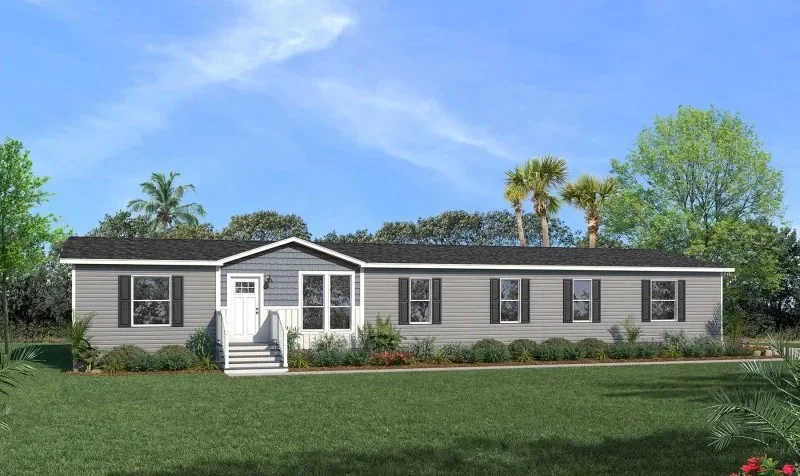
Use the Market to Build a Shortlist, Not Chase a Perfect Deal
Buyers considering single wide mobile homes in Denver can compare smaller manufactured options with modular homes by focusing on usable space, project cost, and the intended site. We can help buyers review how financing fits into the project before they narrow their final choices. Review our financing resources and lending options.
Households that need more room may also evaluate triple wide mobile homes in Denver or larger modular layouts. At Colorado Home Sales, we help buyers compare factory-built homes across Colorado from a single point of contact. Contact our team to build a Denver-area shortlist based on your site and budget.
