
Living in the Colorado mountains offers beautiful scenery, outdoor recreation, and a quieter pace of life. However, building or placing a home in a mountain community comes with considerations that may not apply to every property. From steep terrain to winter road access, the location can influence which home design works best.
If you’re exploring modular homes in Woodland Park, CO, understanding the property and its requirements is just as important as choosing the right layout. Here are six factors to consider before making your decision.
1. Evaluate the Property Before Choosing a Floor Plan
Mountain lots can vary considerably in slope, soil conditions, drainage, and usable space. A floor plan that works well on a level suburban lot may need adjustments for a sloped property.
Before selecting a home, find out whether the site requires grading, retaining structures, specialized foundation work, or additional drainage measures. A qualified local professional can assess the property and help determine which home configurations are practical.
2. Consider Transportation and Installation Access
Modular homes are constructed in sections and transported to the installation site. Narrow roads, sharp turns, steep driveways, and overhead obstacles can complicate delivery in some mountain locations.
Ask the home provider about transportation requirements and whether the proposed route and property access can accommodate delivery equipment. You should also confirm that there is sufficient space for cranes and installation crews to work safely.
These details are worth investigating early, as access limitations can affect project planning and costs.
3. Look for Climate-Appropriate Construction
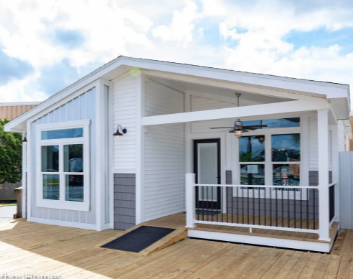
Mountain weather can bring freezing temperatures, strong winds, and substantial snowfall. When comparing modern modular homes in Woodland Park, CO, ask about insulation, air sealing, heating systems, and the structural requirements for the property’s elevation and exposure.
Roof design and snow-load capacity are particularly important. Confirm that the home meets applicable local building codes and site-specific requirements instead of assuming that every model is suitable for every mountain location.
You can also review the U.S. Department of Energy’s guide to energy-efficient home design for information about insulation, windows, and air sealing.
4. Check Utilities and Essential Services
Some mountain properties have access to municipal water and sewer systems, while others may require wells, septic systems, or alternative utility arrangements. Internet availability, electricity access, and heating fuel options can also vary by location.
Before committing to a property, establish which services are available and what installation work may be needed. If a septic system is required, check local permitting requirements and confirm that the land can accommodate it.
Planning for these essentials helps you assess the property’s overall suitability rather than focusing only on the home’s purchase price.
5. Choose a Layout That Fits Mountain Living
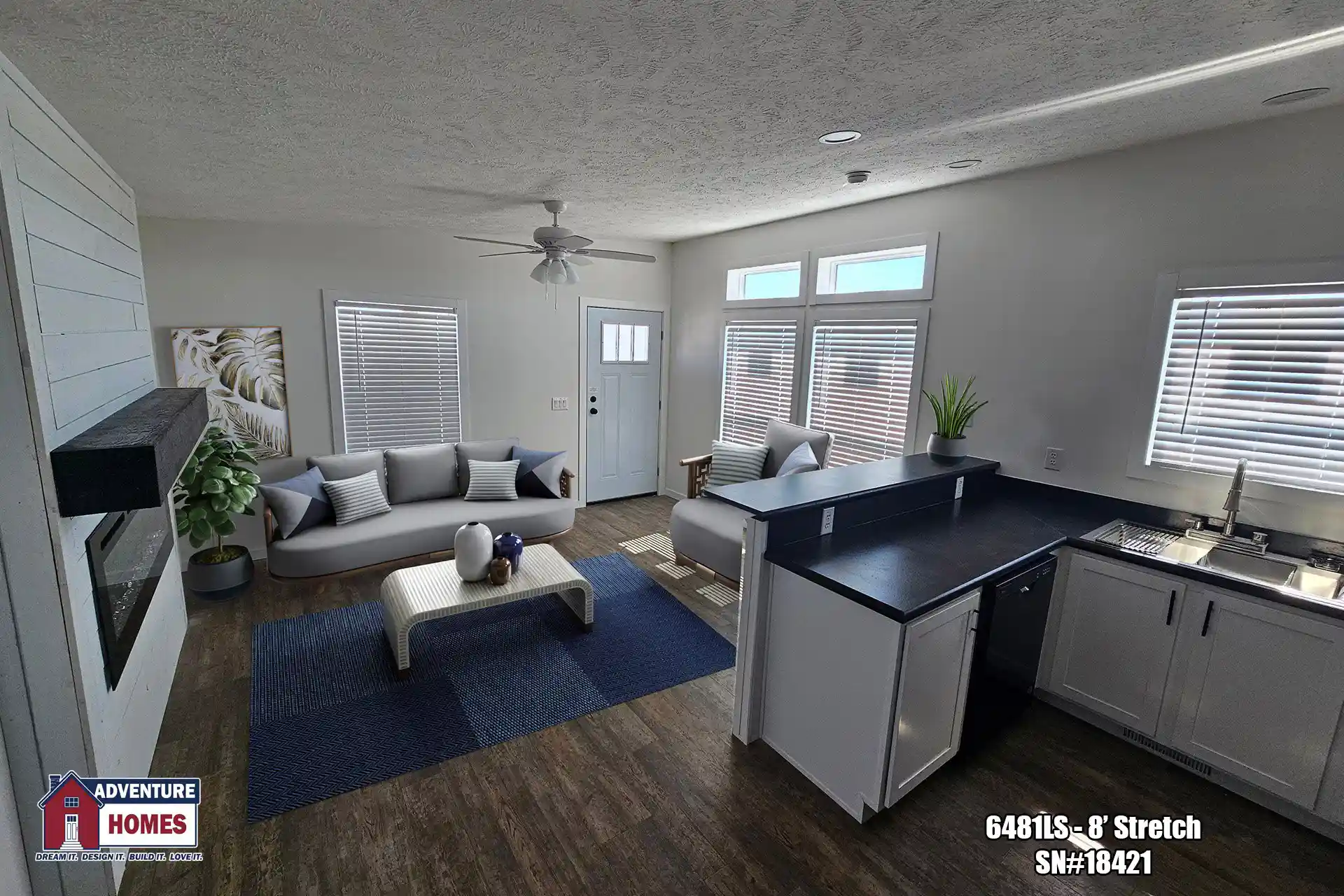
The right floor plan should reflect how you intend to use your home. Open living areas may provide room for gathering after a day outdoors, while a mudroom can offer practical storage for boots, coats, and outdoor equipment.
Consider where bedrooms, bathrooms, laundry facilities, and storage areas are positioned. If you expect to host guests or work remotely, an additional bedroom or dedicated office may be useful.
Exploring custom modular homes in Colorado can help you identify layouts and features that better match your household’s needs and the property’s dimensions.
6. Understand Local Rules and Total Costs
Before purchasing, investigate zoning restrictions, building permits, foundation requirements, and any applicable community or subdivision rules. Requirements can vary depending on the property’s location and the type of home being installed.
Your budget should also account for more than the home itself. Site preparation, transportation, foundation work, utility connections, permits, and installation can all contribute to the total project cost.
For additional winter preparation advice, consult Ready.gov’s winter weather guidance.
Find the Right Modular Home for Your Mountain Lifestyle
Choosing a mountain home means balancing design preferences with the practical realities of the property. Access, terrain, weather protection, utilities, and local regulations all deserve attention before you make a decision.
At Colorado Home Sales, we can help you explore available housing options and identify features that suit your goals. Contact us today to discuss your plans and take the next step toward finding a home for your Colorado mountain lifestyle.
