
Interest in woodland park manufactured homes often starts with lifestyle. Buyers may want more distance from the metro, easier access to outdoor recreation, or a home site that feels connected to the mountains. Factory-built housing can broaden the options, but mountain-area placement also brings site, access, zoning, snow, wind, and foundation questions that need to be answered early.
People comparing modular homes in Woodland Park, CO can use our Woodland Park home information as a starting point, then evaluate the actual parcel and home type. A home that works well on one lot may need a different design approach on another because elevation, slope, access, and local rules can change the project.
Mountain Living Changes the Home-Buying Equation
A rural or mountain-area purchase can shift more attention toward the land itself. Driveway grade, delivery access, drainage, well or septic needs, utility availability, soil conditions, foundation work, and winter weather can all influence cost and timing. Buyers should resist the temptation to choose a floor plan first and solve the site later. Seasonal access deserves special attention because a route that is easy in dry weather may be more difficult for heavy transport or construction traffic after snow, freeze-thaw cycles, or prolonged rain. Delivery planning should reflect the real access conditions rather than an ideal day.
The HUD homeowner resources for manufactured housing emphasize site preparation, access, drainage, soil, foundation systems, anchoring, and utility connections as important installation considerations. Those points are useful even before a buyer has settled on a specific home because they help define what questions to ask about the parcel.
Factory-Built Housing Can Broaden the Options
Manufactured and modular homes are both built off-site, but they are not the same product. The Colorado Division of Housing explains that HUD-code homes are federally regulated while modular homes follow Colorado’s adopted code framework and are installed on permanent foundation systems. The distinction affects how the home is approved and installed. It can also shape the questions buyers need to ask about foundations, inspections, transportation, and financing before selecting a model.
Buyers also comparing manufactured homes in Florissant may see similar mountain and rural considerations nearby, but they should avoid assuming that rules or site conditions are identical from one parcel to another. Local zoning, access, utilities, and design criteria should be checked for the actual property.
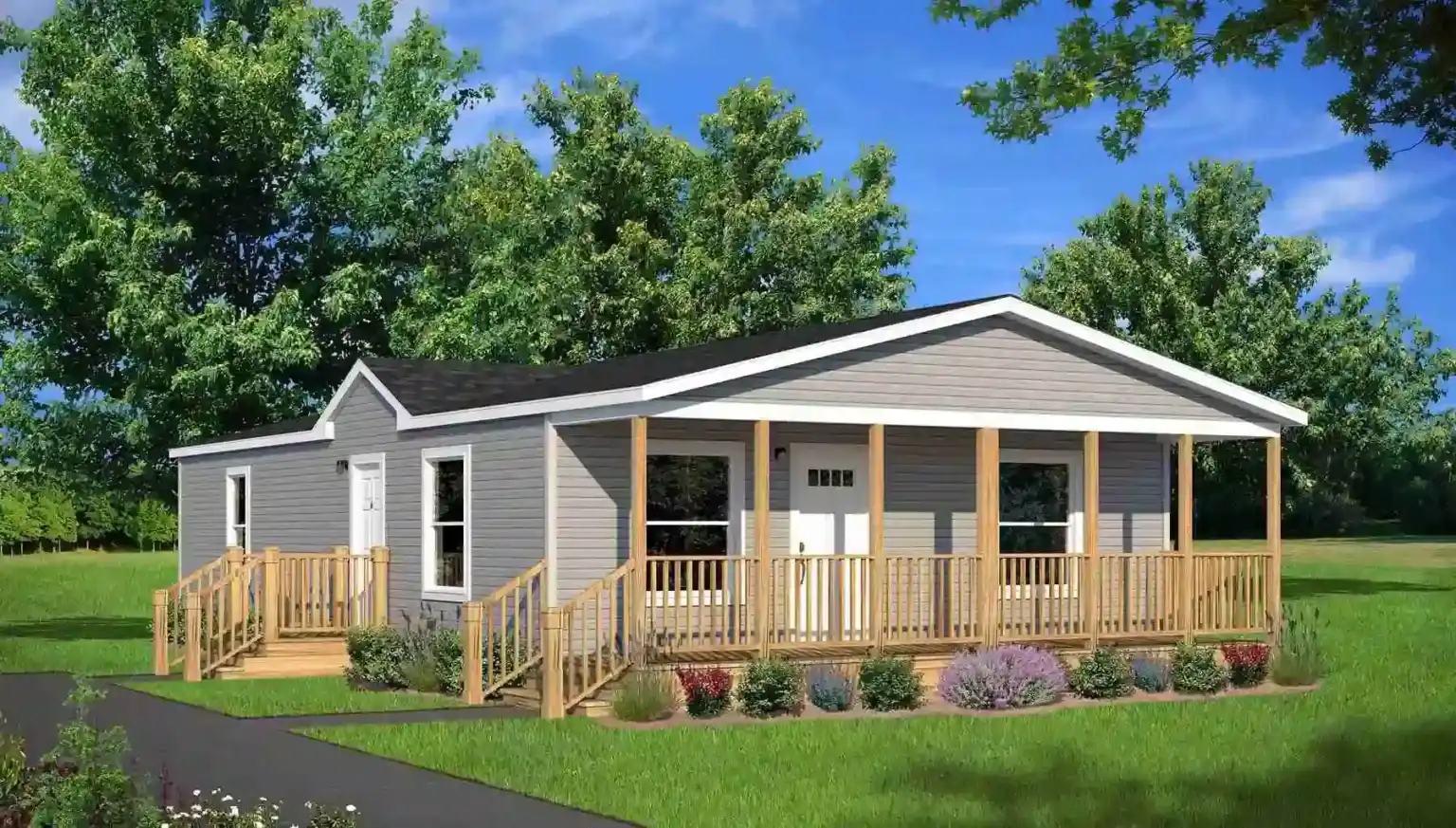
Teller County Zoning and Site Rules Come First
The Teller County Land Use Regulations include separate information for residential and residential mobile-home zoning districts. That does not mean every parcel in Woodland Park or the surrounding county automatically permits every manufactured-home placement. Buyers need to confirm the jurisdiction, zoning district, setbacks, access, utilities, and any permit requirements that apply to the specific site.
This is especially important when a property listing is marketed broadly as buildable land. Buildable for one type of structure does not necessarily mean ready for the exact factory-built home a buyer wants. Early verification can prevent spending time customizing a plan that later conflicts with site limitations. Buyers can ask for the parcel identification, zoning information, access details, utility status, and any known development restrictions before treating the listing description as proof that the intended home can be placed there.
High-Altitude Sites Need the Right Design Criteria
Mountain conditions can affect structural and installation requirements. Colorado’s state guidance notes that local jurisdictions can require site mitigation for wind and snow conditions, and modular homes are certified for site-specific design criteria. Buyers should ask which roof loads, thermal requirements, foundation details, and local conditions apply to the home being considered.
There is no reliable basis for claiming that one floor plan is universally best for high altitude. The better approach is to match the home’s approved specifications to the site while also considering practical lifestyle needs such as mudroom space, storage for outdoor gear, heating equipment, and safe winter access. Roof design, entry protection, exterior maintenance access, and the location of mechanical equipment can also affect day-to-day usability in a mountain setting. Those details should be assessed against the actual site and manufacturer specifications.
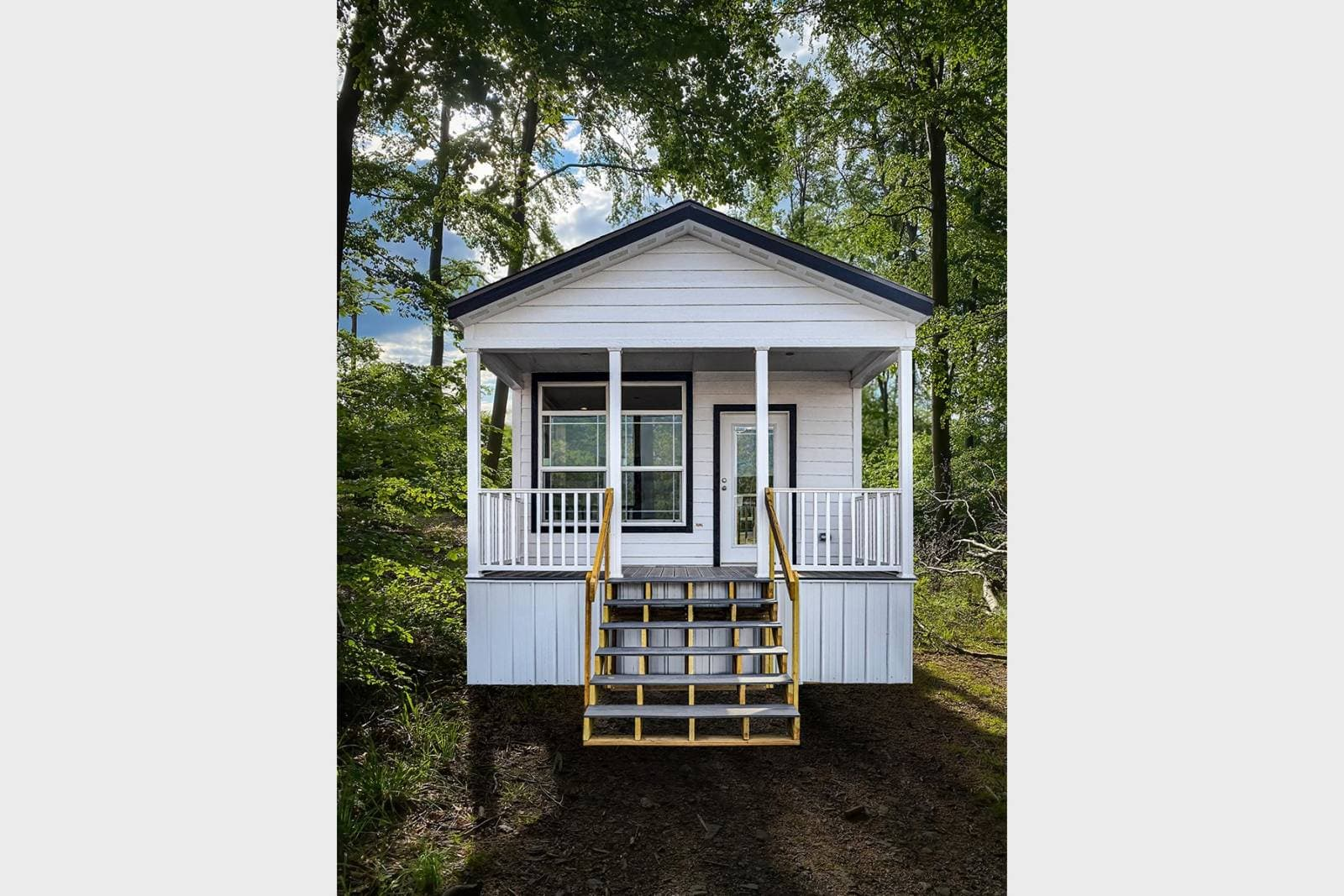
Choose the Home Only After Checking the Site
Buyers searching for modular homes in Colorado can save time by treating the parcel and floor plan as one decision. We offer a broad range of homes, and reviewing the available layouts after the site constraints are known makes it easier to focus on realistic options. Browse our available homes and floor plans once the site requirements are clear.
Those comparing Colorado modular homes for sale should also confirm whether a modular or manufactured home better fits the property, budget, and financing plan. At Colorado Home Sales, we help buyers connect home selection with the practical steps around placement and site preparation. Contact our team to discuss a Woodland Park or Teller County project.
