
The market for prefab homes for sale in Colorado Springs looks very different from the factory-built housing many buyers remember from decades ago. Current options include HUD-code manufactured homes and modular homes with broader floor-plan choices, updated finishes, larger configurations, and designs that can resemble conventional housing from the street. The category has become more varied, so buyers need to understand what they are actually comparing.
People searching for modern prefab homes in Colorado Springs can begin with our manufactured home information and then compare construction type, size, design, and site requirements. Prefab is a broad description, not a single legal or construction category, and the distinction matters for codes, foundations, financing, and installation.
Factory-Built Housing Covers More Than One Type of Home
The U.S. Department of Housing and Urban Development defines manufactured homes through the federal HUD Code and requires qualifying homes built after June 15, 1976 to carry certification labels. Modular homes are different. They are built in factory sections but are governed through state and local building-code systems rather than the federal manufactured-home construction standard.
The Colorado Division of Housing makes that distinction explicit for Colorado buyers. Its guidance separates older mobile homes, HUD-code homes, modular homes, and tiny homes, with different rules for construction, foundations, installation, and site criteria. Knowing the category is the first step toward comparing products fairly. It also prevents a common shopping mistake: comparing two homes that look similar while assuming they follow the same approval, foundation, financing, or installation path. The construction label should be verified before price comparisons become too detailed.
Modern Floor Plans Look Much More Like Conventional Housing
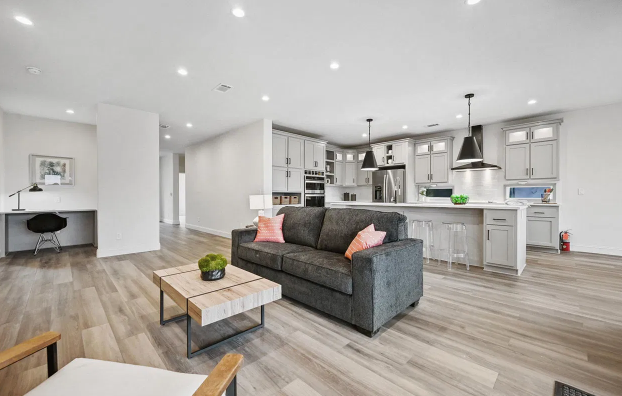
Today’s factory-built homes can include open kitchens, islands, larger living areas, private primary suites, walk-in storage, utility rooms, porches, and a wide range of exterior profiles. The improvement is not that every model now has the same premium features. It is that buyers can choose among many more layouts and finish packages than the category’s old image suggests.
That variety is especially relevant for buyers comparing modular homes in Colorado Springs with existing site-built homes. A useful comparison looks at room dimensions, natural light, storage, kitchen function, exterior appearance, and upgrade pricing rather than judging the home only by the construction method. Buyers should ask for a clear standard-feature list as well. A model photographed with upgraded cabinets, flooring, appliances, fixtures, or exterior details may look different at its base specification, so the written package matters as much as the display images.
Buyers Have More Choice in Size and Configuration
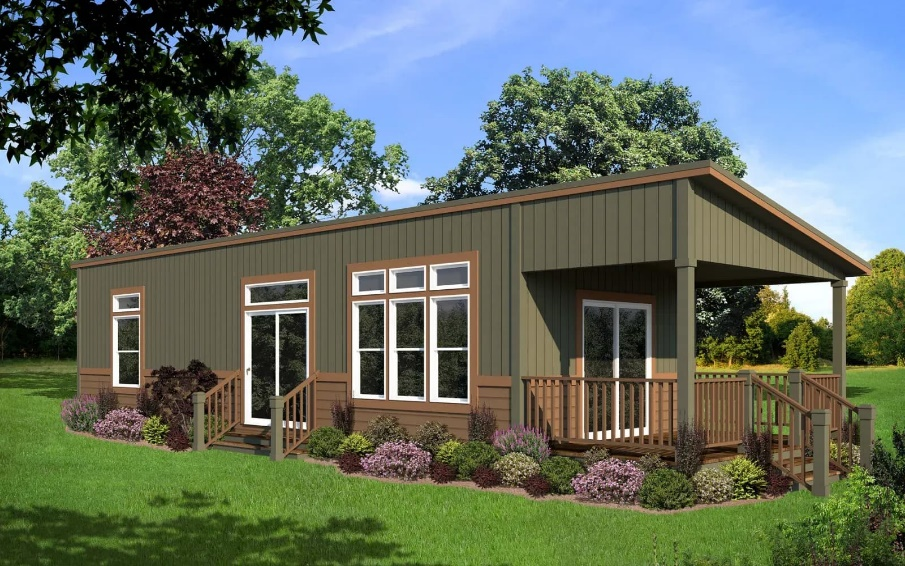
The latest Census Bureau Manufactured Housing Survey tracks new manufactured homes by size and region, showing that the market includes both single-section and multi-section homes. In practical terms, buyers can compare compact homes designed around efficient footprints with larger layouts that provide additional bedrooms, wider common spaces, or more separation between rooms.
The important point is not that bigger is always better. A smaller home may reduce the purchase price and fit a tighter site, while a larger configuration may better suit a family that needs more privacy or flexible rooms. Buyers should compare the usable layout, project budget, and placement conditions together. Delivery and setup can also change with home size, so buyers should ask how each configuration affects the finished project rather than comparing base prices alone.
Efficiency and Quality Depend on the Actual Model
Modern factory construction can provide consistent indoor production conditions, but energy performance still depends on the home’s specifications. Insulation levels, windows, HVAC equipment, air sealing, orientation, climate zone, and installation all affect real-world performance. Buyers should review the model’s documentation instead of assuming every newer prefab home will deliver the same utility savings.
The same caution applies to smart-home readiness and upgraded appliances. Some models may offer them as standard or optional features, while others may not. The strongest buying decision is based on the specifications of the exact home being considered. Buyers can compare insulation values, window specifications, HVAC type, appliance packages, ventilation, thermostat options, and available electrical upgrades line by line. That is more useful than assuming a newer design automatically means lower energy bills or more technology.
Compare the Home, Site, and Budget Together
Buyers interested in custom modular homes in Colorado Springs can use our inventory to compare floor plans and builder-specific options instead of assuming customization means a fully bespoke build. We can also help buyers connect the home choice to the site and financing questions that determine whether the plan is practical. Explore our current floor plans and home selection.
For shoppers also considering new manufactured homes for sale in Colorado Springs, the best comparison is specific rather than theoretical. At Colorado Home Sales, we help buyers identify the construction type, features, placement needs, and next steps for the homes they are considering. Contact our team to compare current prefab, modular, and manufactured options.
